
Best Landscape Stones for Garden Pathways: 7 Options That Actually Last
Garden pathways do more than connect one area to another. They guide visitors through your outdoor space, protect your lawn from foot traffic, and define your landscape’s character. But choosing the wrong landscape stones can leave you dealing with shifting surfaces, frequent repairs, and a pathway that looks worn within months.
The right stone choice balances durability, maintenance requirements, and aesthetics. After years of installing pathways throughout Ohio’s varying weather conditions, we’ve seen which materials truly stand the test of time and which ones disappoint homeowners within the first year.
What Makes Landscape Stones Last on Garden Pathways
Before diving into specific stone types, understanding what separates long-lasting pathways from short-lived ones helps you make a smarter choice.
Foot Traffic Resistance: Your pathway needs stones that won’t crack, chip, or shift under regular use. High-traffic areas demand harder materials.
Weather Durability: Ohio experiences freeze-thaw cycles, heavy rain, and hot summers. Stones that absorb too much water can crack when temperatures drop below freezing.
Base Stability: Even premium landscape stones fail without proper installation. The base layer determines whether your pathway stays level or develops dips and high spots within months.
Drainage Performance: Standing water destroys pathways. Materials that allow water to flow through or away from the surface last significantly longer than those that trap moisture.
1. Flagstone: The Traditional Pathway Champion
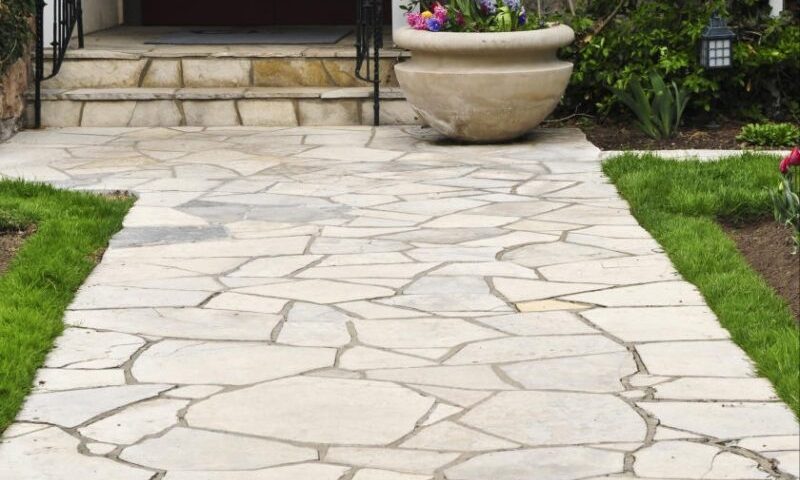
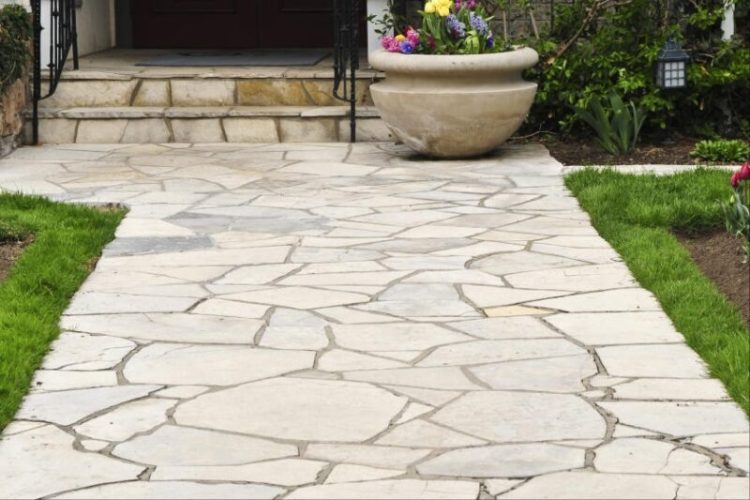
Flagstone remains the most popular choice for garden pathways, and for good reason. These flat, irregular slabs of sedimentary rock create natural-looking paths that complement almost any landscape style.
Durability Rating: When properly installed, flagstone pathways last 50+ years. The material itself resists weathering, though the joints between stones require occasional maintenance.
Best Uses: Winding garden paths, patio connections, and areas where you want an organic, flowing appearance. Flagstone works particularly well for pathways that curve through planted areas.
Maintenance Reality: Flagstone needs periodic resealing every 2-3 years in high-traffic zones to prevent staining. Weeds can grow between stones unless you use polymeric sand in the joints. Budget 1-2 hours per year for basic maintenance on a typical pathway.
Cost Considerations: Expect to pay $15-30 per square foot installed, depending on the stone variety. Pennsylvania bluestone costs more than Oklahoma flagstone, but both deliver excellent longevity.
Installation Notes: Flagstone requires at least 2 inches of compacted base material. Larger slabs (24-48 inches) provide better stability than smaller pieces, though they’re heavier to work with.
2. Decomposed Granite: The Permeable Path Solution
Decomposed granite (DG) offers a completely different approach. Instead of large stones, this material consists of fine granite particles that pack together to create a firm, natural-looking surface.
Durability Rating: Stabilized decomposed granite lasts 7-10 years before needing significant refresh work. The material itself doesn’t fail, but it requires periodic topping and recompaction.
Best Uses: Formal garden pathways, side yard access routes, and areas where you want a smooth, cohesive surface. DG works exceptionally well in drought-prone regions since it doesn’t hold moisture.
Maintenance Reality: DG needs raking every few weeks to maintain an even surface. Plan to add a fresh layer (about 1 inch) every 2-3 years. Edging is essential—without it, the material spreads into adjacent lawn areas. Some homeowners find DG tracks into the house on shoes, especially during the first few months after installation.
Cost Considerations: Material costs run $40-50 per cubic yard. Professional installation typically costs $4-6 per square foot. For DIY projects, the cost drops to roughly half.
Installation Notes: The key to long-lasting DG pathways is using stabilizers. Natural DG alone shifts and becomes muddy. Stabilized DG with binding agents creates a firmer surface similar to packed dirt but more durable.
3. River Rock: Natural Beauty With Practical Limitations
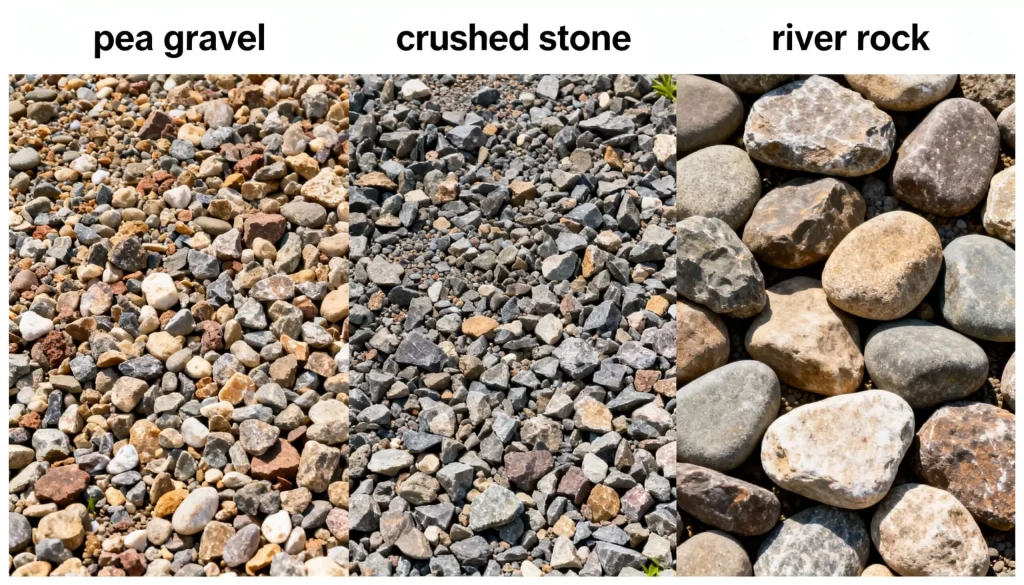
River rock’s smooth, rounded appearance brings a water-worn aesthetic to garden pathways. These stones come in sizes ranging from 1 to 6 inches and various earth tones.
Durability Rating: The stones themselves last indefinitely. However, river rock pathways present safety and maintenance challenges that affect their practical longevity.
Best Uses: Decorative accent areas, drainage features, and low-traffic garden sections. River rock works well as a border material for other stone types or filling gaps between larger stepping stones.
Maintenance Reality: Here’s where river rock becomes problematic for main pathways. The rounded stones shift underfoot, creating an uneven walking surface. Smaller rocks (under 1.5 inches) move around more, potentially creating ankle-twisting hazards when they roll onto adjacent stepping stones. Larger river rock (1.5-3 inches) stays put better but feels uncomfortable to walk on. Expect to rake and reset displaced stones monthly in active pathways.
Cost Considerations: River rock costs $50-150 per cubic yard depending on size and color. Installation costs less than flagstone since you’re not fitting individual pieces, typically $3-5 per square foot.
Installation Notes: Use landscape fabric beneath river rock to prevent soil from mixing with the stones. Consider pairing river rock with stepping stones rather than using it as the primary walking surface.
4. Crushed Stone: The Stable, Affordable Option
Crushed stone offers angular edges that lock together better than rounded materials. This category includes crushed granite, crushed limestone, and similar quarried materials.
Durability Rating: Crushed stone pathways last 10-15 years before needing significant replenishment. The angular pieces resist shifting better than rounded stones, creating a more stable walking surface.
Best Uses: Side yards, utility paths, and areas where appearance matters less than function. Crushed stone also works well as a base layer under other materials.
Maintenance Reality: The angular edges mean crushed stone stays in place better than pea gravel or river rock. However, you’ll still need to rake it periodically and add fresh stone every 3-4 years. The rough texture makes it less comfortable for bare feet compared to smoother options.
Cost Considerations: One of the most budget-friendly options at $1-3 per square foot installed. Material costs run $30-50 per cubic yard.
Installation Notes: A 3-4 inch depth provides the best results. The sharp edges can be hard on hands during DIY installation, so work gloves are essential. Crushed stone packs tighter than rounded gravel, creating a firmer pathway over time.
5. Bluestone: Premium Durability for High-Traffic Areas
Bluestone is a dense sandstone known for its characteristic blue-gray color. This premium material costs more than other options but delivers exceptional performance.
Durability Rating: Properly installed bluestone pathways routinely last 100+ years. Many century-old urban sidewalks still use the original bluestone, proving its remarkable longevity.
Best Uses: Main entrance walkways, high-traffic garden paths, and formal landscape designs. Bluestone’s consistent appearance suits both traditional and modern aesthetics.
Maintenance Reality: Bluestone requires periodic sealing (every 2-4 years) to prevent staining, especially in areas exposed to leaves or organic matter. The material is somewhat porous, so sealing also protects against salt damage in winter. Cleaning with water and mild soap every few weeks keeps it looking fresh.
Cost Considerations: The premium option at $20-40 per square foot installed. Pennsylvania bluestone typically costs more than stone from other regions. Factor in sealing costs ($1-2 per square foot) every few years.
Installation Notes: Bluestone is heavier and more challenging to work with than flagstone. Professional installation is recommended for large areas. The stone’s density makes it more resistant to cracking from freeze-thaw cycles than softer stones.
6. Slate: Texture With Character
Slate offers a refined appearance with natural ridges that provide excellent traction. This metamorphic rock comes in shades of gray, black, green, and even purple.
Durability Rating: Slate pathways last 30-50 years when properly maintained. The material is less porous than flagstone, requiring less frequent sealing.
Best Uses: Contemporary gardens, shaded pathways, and areas where slip resistance matters. Slate’s natural texture prevents slipping even when wet.
Maintenance Reality: Slate needs less maintenance than many alternatives. Sweeping debris regularly and occasional pressure washing keeps slate looking good. Resealing every 3-5 years protects the surface, though slate’s low porosity means it’s less susceptible to staining than bluestone or flagstone.
Cost Considerations: Mid-to-high range at $15-25 per square foot installed. Slate chips (smaller pieces) cost less but create a different aesthetic than larger slabs.
Installation Notes: Slate can be more brittle than sandstone options, so careful handling during installation prevents unnecessary breakage. The material’s smooth, dense surface means it stays cleaner than rougher stones.
7. Pea Gravel: Soft Underfoot, High Maintenance
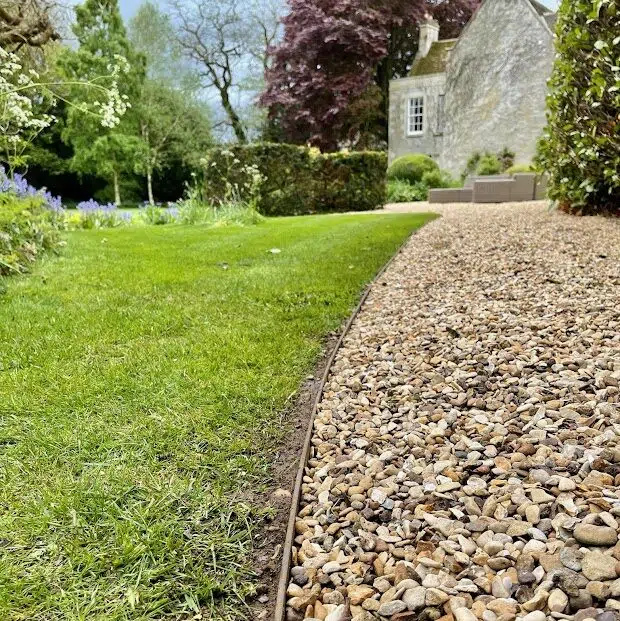
Pea gravel consists of small, smooth stones (typically 1/4 to 3/8 inch) rounded by water erosion. The material creates a soft, crunchy pathway surface.
Durability Rating: The stones themselves last forever, but pea gravel pathways require constant maintenance to remain functional. Expect major reworking every 5-7 years.
Best Uses: Informal garden paths, play areas, and spaces where the sound of gravel underfoot adds to the ambiance. Pea gravel works well for infrequently used pathways through naturalized garden areas.
Maintenance Reality: This is where pea gravel demands the most attention. The small stones migrate easily, spreading into lawn areas and requiring strong edging. Raking is necessary weekly or biweekly to maintain an even surface. Weeds push through easily without landscape fabric and a thick layer of gravel. The material tracks into the house readily, especially on the bottom of shoes and pet paws.
Cost Considerations: One of the most affordable materials at $1-2 per square foot installed. However, the ongoing maintenance time adds to the true cost. Material costs run $30-60 per cubic yard.
Installation Notes: Pea gravel needs solid edging (metal, plastic, or wood) to contain the stones. Use landscape fabric beneath the gravel to suppress weeds. A 2-3 inch depth works best—too shallow and the stones migrate more, too deep and walking becomes difficult.
Making Your Selection: What Actually Matters
With seven solid options, how do you choose? These factors drive the decision more than marketing materials or Pinterest inspiration.
Your Actual Maintenance Time: Be honest about how much time you’ll spend maintaining your pathway. If you’re stretched thin, flagstone or slate makes more sense than pea gravel or decomposed granite. The lowest maintenance options (flagstone, bluestone, slate) cost more upfront but save hours of work annually.
Traffic Patterns: The front walkway to your door needs different materials than a meandering garden path you use twice a month. Bluestone and flagstone handle daily traffic effortlessly. Pea gravel and river rock work fine for occasional use but frustrate you quickly in high-traffic locations.
Climate Challenges: Ohio’s freeze-thaw cycles are brutal on certain materials. Porous stones that absorb water can crack when that water freezes. Bluestone, properly sealed flagstone, and slate handle winter better than softer sandstones.
Installation Reality: Some homeowners love DIY projects; others don’t want to touch a wheelbarrow. Pea gravel and crushed stone are reasonably DIY-friendly. Flagstone and bluestone require more skill and possibly equipment rental. Decomposed granite sits somewhere in the middle—easy to spread but tricky to get the compaction right.
Long-Term Cost: The cheapest option rarely costs least over a decade. A $500 pea gravel path that needs reworking every three years eventually costs more than a $1,200 flagstone path that lasts twenty years with minimal maintenance.
Installation Fundamentals That Extend Lifespan
Regardless of which landscape stones you choose, proper installation determines whether your pathway performs well or disappoints you.
Excavation Depth: Different materials require different depths. Gravel paths need about 4 inches of excavation, solid stone requires 5 inches, and paver-style installations need roughly 9 inches. Skimping on depth leads to settling and uneven surfaces within months.
Base Layer Quality: A compacted gravel base creates the foundation for stability. Use crusher run or similar material that compacts tightly. Loose materials under your pathway guarantee future problems.
Edge Restraints: Even solid stone pathways benefit from edging. Edging prevents materials from migrating and maintains clean lines between the pathway and adjacent landscaping.
Drainage Planning: Water is your pathway’s enemy. Grade the pathway slightly for drainage (typically 1-2% slope). Install the base layer to promote water flow away from the surface.
Regional Considerations for Ohio Landscapes
Ohio’s climate throws challenges at garden pathways that desert or southern climates don’t face. Winter salt, freeze-thaw cycles, and spring mud seasons all impact which landscape stones perform best.
Salt Resistance: If you’ll use ice melt products near the pathway, choose materials that resist salt damage. Bluestone is vulnerable to salt; sealed flagstone and slate handle it better. Gravel options (pea gravel, crushed stone) aren’t affected but they’re harder to clear of snow.
Freeze-Thaw Durability: Materials with low water absorption survive freezing temperatures better. Dense stones like bluestone and slate outperform softer, more porous options. Proper sealing protects vulnerable stones.
Mud Season Strategies: Spring thaws turn poorly drained pathways into muddy messes. Gravel-based options (crushed stone, pea gravel) drain well but can get messy. Solid stone on proper bases stays cleaner.
The Verdict: Which Stone Actually Lasts
After installing countless pathways and watching their performance over years, here’s what actually works:
For Primary Walkways: Flagstone or bluestone delivers the best combination of durability, appearance, and reasonable maintenance. Yes, you’ll pay more initially, but you’ll appreciate the decision every time you walk that path for the next several decades.
For Garden Paths: Flagstone or stabilized decomposed granite both work well. Choose flagstone if you want individual stones with plants between them. Choose DG if you prefer a cohesive, smooth surface.
For Budget Projects: Crushed stone provides the best value. It’s not the prettiest option, but it stays put better than pea gravel and costs significantly less than solid stone.
For Occasional-Use Paths: Pea gravel or river rock work fine when foot traffic is minimal. Just understand the maintenance commitment before installation.
Ready to Build a Pathway That Lasts?
Choosing the right landscape stones for your garden pathway means balancing upfront costs against long-term performance and maintenance requirements. The cheapest option rarely proves most economical over time, while the most expensive isn’t always necessary for every application.
The pathways that serve homeowners best for decades share common traits: proper base preparation, appropriate stone selection for the specific use, and realistic expectations about maintenance. Whether you choose classic flagstone, modern decomposed granite, or budget-friendly crushed stone, installation quality matters more than material cost.
Need expert guidance on choosing and installing landscape stones for your pathway? Check out our hardscaping services where our team brings over 25 years of experience creating durable, beautiful pathways throughout the Zanesville area, or call us at (740) 704-7962 to discuss your project. We’ll help you select materials that match your budget, aesthetic preferences, and maintenance expectations—ensuring your pathway looks great and performs reliably for years to come.