16 Feb 2026
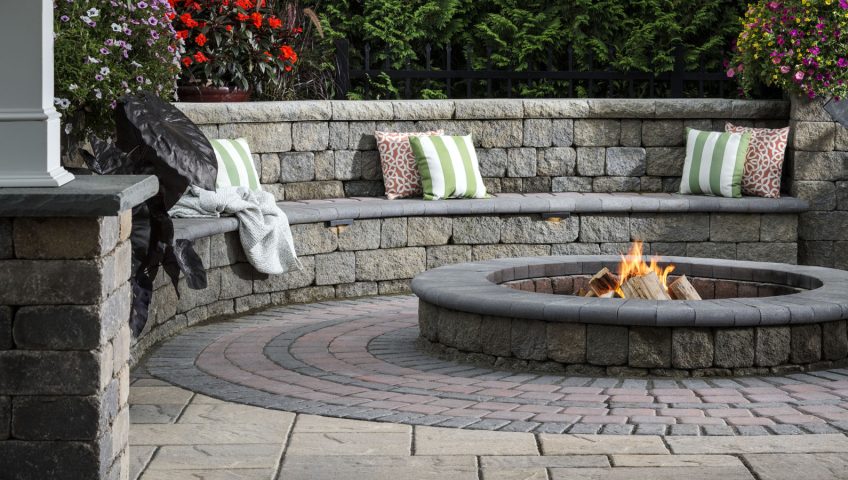
Terraced sandstone bench seating integrated into sloped landscape with multiple levels and modern design

7 Sandstone Bench Styles That Actually Complement Modern Landscaping

Modern landscaping demands more than just clean lines and minimalist plantings. The right hardscape elements can transform an ordinary outdoor space into something exceptional. Among these elements, sandstone benches stand out for their ability to bridge the gap between contemporary design and natural beauty.

Unlike concrete or metal alternatives that can feel cold and industrial, sandstone brings warmth and texture to modern landscapes. Its natural variations in color and grain create visual interest without overwhelming clean, architectural lines. The challenge lies in selecting the right style—one that enhances rather than fights against your modern design.

After years of installing hardscape features across Zanesville and Cambridge, we’ve identified seven sandstone bench styles that consistently elevate modern landscapes. These aren’t generic garden benches; they’re purposeful design elements that solve real problems while adding genuine aesthetic value.

1. Linear Slab Benches with Minimalist Legs

The linear slab bench represents modern design at its purest. Think of a single, thick piece of sandstone (typically 4-6 inches) supported by simple geometric legs. The top surface remains largely unadorned, allowing the stone’s natural color variations to take center stage.

What makes this style work in modern settings is its restraint. There are no curved backs, no ornate armrests—just a horizontal plane for seating. The legs, often made from the same sandstone cut into rectangular blocks, create negative space underneath that keeps the piece from feeling heavy.

This style works particularly well in courtyard settings or along modern pathways where you want seating that doesn’t compete with architectural features. The bench becomes part of the hardscape vocabulary rather than a standalone statement piece.

One practical advantage: these benches handle weather beautifully. The simple geometry means water runs off easily, and there are no intricate details to trap moisture or collect debris. For homeowners in areas with freeze-thaw cycles, this translates to genuine longevity.

The key to getting this right is proportion. A slab that’s too thin looks flimsy; too thick appears clunky. The sweet spot for most residential applications is around 5 inches for the seating surface, with legs that are roughly square in profile—typically 6×6 or 8×8 inches depending on the bench length.

2. Built-In Curved Seating Walls

Curved sandstone seating walls represent one of the most versatile approaches to modern outdoor seating. Unlike freestanding benches, these integrate directly into retaining walls, raised planters, or fire pit surrounds. The curve adds softness to otherwise angular modern designs without abandoning contemporary principles.

The construction typically involves stacking sandstone blocks to create the wall structure, then capping it with smooth, cut sandstone slabs for the seating surface. The curve doesn’t need to be dramatic—even a gentle arc creates visual interest and improves traffic flow around the seating area.

What elevates this from basic to exceptional is attention to height and depth. A comfortable seating height ranges from 16 to 18 inches, with a depth of at least 14 inches. Anything less feels perch-like rather than inviting. When the wall doubles as a retaining feature, the seated person gets the added benefit of the terraced landscape as a natural backrest.

This style particularly shines around fire features. The curve naturally draws people into a conversation circle while the mass of sandstone provides comfortable seating without requiring separate furniture. During our installations in Cambridge, we’ve found that clients appreciate how this approach maximizes usable seating in compact spaces.

The sandstone’s thermal mass works to your advantage here. Unlike metal or thin wood seating, sandstone moderates temperature—cool in summer, retaining warmth in cooler evenings when positioned near a fire pit.

3. Floating Cantilever Benches

The floating cantilever bench creates visual drama through the illusion of suspension. The sandstone slab appears to float from a wall or vertical surface with no visible supports underneath. This style delivers maximum modern impact—it’s architectural, bold, and undeniably contemporary.

The reality behind the illusion involves heavy-duty steel brackets embedded into the wall structure, with the sandstone slab secured to these hidden supports. Done properly, it’s remarkably stable. Done poorly, it’s a liability. This isn’t typically a DIY project.

Where floating benches excel is in contemporary patios with strong vertical elements—a rendered wall, a stone facade, or even alongside modern home exteriors. The horizontal bench creates a pleasing contrast with vertical surfaces while the shadow gap underneath adds depth and dimension.

Length limitations exist with this style. While you could theoretically extend a cantilever indefinitely with enough structural support, practical considerations usually limit residential installations to 6 feet or less. Beyond that, the engineering becomes complex and the visual proportion starts to feel off.

The sandstone choice matters significantly here. You want a dense, consistently-structured stone that won’t develop stress fractures. Quarried sandstone with minimal layering or bedding planes works better than highly stratified varieties.

One often overlooked benefit: floating benches keep the floor space beneath clear, making cleaning and maintenance simpler. In narrow courtyards or along pool decks, this spatial efficiency proves valuable.

4. Monolithic Block Benches

Sometimes the most powerful design statement is also the simplest. Monolithic block benches—literally a large, rectangular block of sandstone placed as seating—embody this principle. No legs, no back, no complexity. Just mass, proportion, and the stone’s inherent character.

The success of this style depends entirely on scale and placement. A properly sized block (roughly 18 inches high, 18-24 inches deep, and 36-72 inches long) creates presence without dominating a space. The monolithic form works particularly well in gravel gardens, modern zen spaces, or as counterpoints to water features.

What makes these benches work in modern contexts is their honesty—they don’t pretend to be anything other than what they are. There’s a sculptural quality to a well-cut sandstone block that appeals to contemporary sensibilities. The clean planes and right angles align with modern architecture while the stone’s natural texture prevents sterility.

Placement strategy matters enormously. A monolithic bench set parallel to a pathway feels static. Angle it slightly, and it becomes dynamic. Place it near low plantings, and the vertical mass creates a focal point. Position it overlooking a view, and it becomes destination seating.

The weight works in your favor for stability—these benches don’t shift or tip. The downside is that weight makes placement permanent for practical purposes. Think carefully about location before installation because moving a 500-pound sandstone block isn’t trivial.

5. Multi-Level Terraced Seating

Terraced sandstone seating takes advantage of grade changes to create layered, built-in seating. Rather than fighting a slope with extensive grading, this approach embraces the topography, stepping the sandstone blocks down (or up) the grade to create multiple seating levels.

Each level typically consists of stacked sandstone blocks with capped tops for comfortable seating. The varying heights create visual interest while accommodating different uses—lower levels work well for casual perching, higher levels provide standard bench height, and the highest might serve as a planter edge or railing.

Modern landscapes often incorporate berms or artificial grade changes for visual interest. Terraced sandstone seating turns these features into functional elements. Rather than just looking at your tiered landscape, you can sit within it.

The installation requires careful attention to drainage. Each tier needs slight grading to shed water, and weep holes or gravel backfill behind the blocks prevent water pressure buildup. These aren’t minor details—they’re the difference between a seating wall that lasts decades and one that fails after a few freeze-thaw cycles.
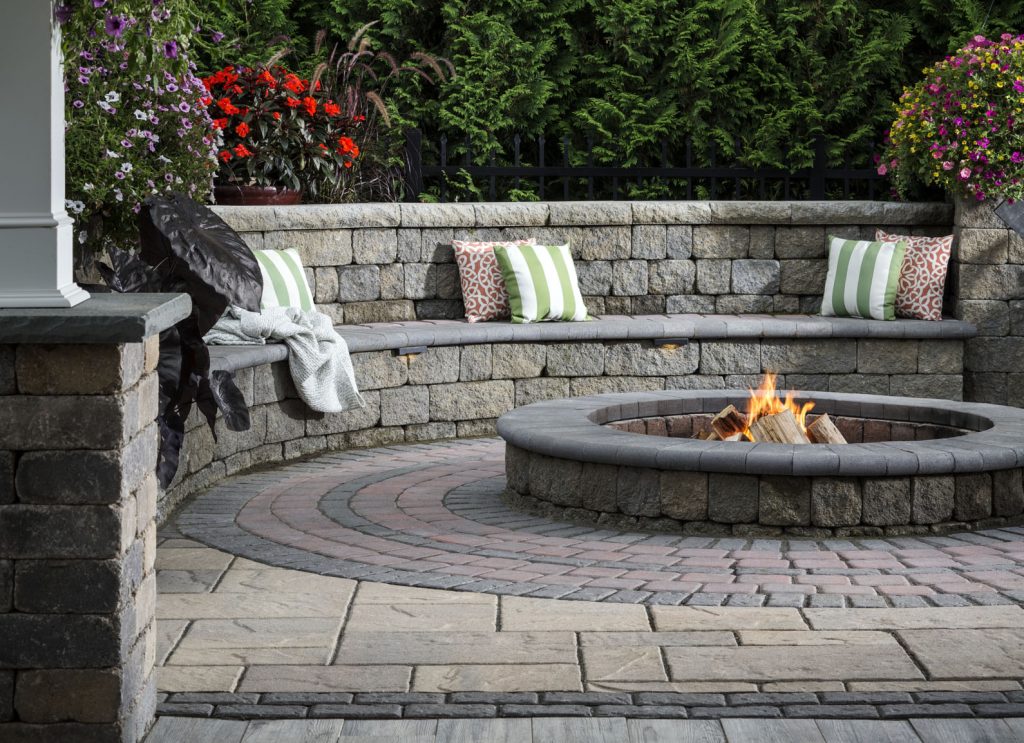
Terraced sandstone bench seating integrated into sloped landscape with multiple levels and modern design

What clients appreciate about terraced seating is flexibility. You can tuck it into corners, wrap it around features, or extend it across an entire slope. The modular nature means you can start with one section and expand over time as budget allows.

For modern landscapes with contemporary homes, consider running terraced seating parallel to the house foundation or perpendicular to create distinct zones. The linear quality reinforces architectural lines while the stepped form adds dimension.

6. Integrated Bench-Planter Combinations

Bench-planter combinations merge seating and greenery into a single hardscape element. The sandstone forms both the seating surface and the planter walls, creating a cohesive piece that serves dual purposes. This style particularly suits modern landscapes where every element needs to work hard.

The typical configuration involves a sandstone planter box with an extended seating ledge. The plants provide the backrest, the sandstone provides the seat, and the overall composition creates a defined space. This works beautifully for dividing larger patios, framing entries, or creating intimate seating nooks.

Modern design principles favor this approach because it consolidates functions. Rather than a bench here and a planter there, you get one element that does both jobs. The visual simplicity aligns with contemporary aesthetics while the practical functionality appeals to how people actually use outdoor spaces.

The planting choices matter as much as the stonework. Low, mounded plants like ornamental grasses or compact shrubs work better than tall, leggy specimens. You want enough green to soften the stone without obscuring the bench or feeling overgrown. Evergreen selections extend the visual appeal through winter months.

From a construction standpoint, proper drainage is critical. The planter needs drainage holes, and the soil line should sit below the seating ledge to prevent water staining. Interior liner options exist for those worried about moisture penetration, though well-sealed sandstone typically handles these conditions without issues.

Consider lighting integration while planning. Low-voltage LED strips under the seating ledge or within the planter create ambiance for evening use. The sandstone’s mass hides the fixtures while providing structure for mounting.

7. Split-Face Textured Modern Benches

Split-face sandstone benches take advantage of the stone’s natural cleaving properties to create texture. Rather than smooth, cut surfaces on all sides, these benches feature rough, fractured faces on visible sides with smooth tops for seating. The contrast between refined and raw surfaces creates visual depth.

This style bridges rustic and modern particularly well. The textured faces reference natural stone’s origin while the precise top surface and geometric form maintain contemporary credentials. For modern landscapes that incorporate natural elements—native plantings, boulders, or water features—split-face benches provide a logical connection point.

The fabrication requires skill. Not every piece of sandstone cleaves cleanly, and achieving a consistent texture across multiple blocks takes experience. When done well, the result looks intentional rather than accidental—architectural rather than raw.

Where split-face benches excel is creating focal points without overwhelming a space. The texture catches light differently throughout the day, adding subtle variety to a static form. In photography, these benches read as three-dimensional and substantial rather than flat.

One practical consideration: the textured faces collect some dirt and debris over time. This isn’t necessarily negative—it contributes to the weathered, naturalistic appearance many homeowners desire. For those preferring pristine surfaces, occasional brushing maintains the original look.

Choosing the Right Sandstone Bench for Your Modern Landscape

Selecting a sandstone bench style isn’t just about aesthetics—it’s about understanding how the piece will function in your specific space. A floating cantilever bench that looks stunning in architectural photography might not work on your property if you lack suitable wall structures. Conversely, simple monolithic blocks can create powerful impacts in settings where more complex designs would feel forced.

Consider your landscape’s scale. Larger properties can accommodate bolder bench forms and longer runs of seating. Compact courtyards benefit from space-efficient options like built-in walls or floating benches that don’t consume floor area.

Think about how you’ll actually use the seating. Fire pit surround? Curved walls work beautifully. Contemplative solo seating? Monolithic blocks excel. Entertaining groups? Terraced or long linear benches provide capacity without feeling like outdoor furniture showrooms.

The sandstone color should relate to your home’s exterior materials and your existing hardscape. Warm-toned sandstone (buffs, tans, and light browns) softens modern architecture that tends toward gray and white. Cooler-toned sandstone in grays and blue-grays reinforces contemporary palettes.

Maintenance expectations matter too. All sandstone requires some care, but simpler forms with fewer details need less attention than complex installations with multiple elements. If you’re not inclined toward regular cleaning and sealing, choose accordingly.

Beyond the Bench: Integration into Modern Landscape Design

The best sandstone benches don’t exist in isolation—they integrate into broader landscape compositions. Consider how the bench relates to pathways, plantings, and other hardscape elements. A curved seating wall might echo the curve of a nearby gravel path. A linear bench might align with the geometry of a modern fire pit or water feature.

Material consistency strengthens modern designs. If you’re using sandstone for benches, consider repeating that material in retaining walls, stepping stones, or decorative blocks. The repetition creates rhythm and cohesion rather than a jumbled collection of different materials.

Negative space around benches matters as much as the benches themselves. Modern landscapes rely on careful spacing and proportion. A perfectly designed sandstone bench can fail if crammed between other elements without breathing room. Give your seating space to exist as a distinct element.

Think vertically as well as horizontally. Bench placement at different heights throughout a landscape creates visual interest while accommodating varied uses. Low seating near the ground suits casual gathering; standard-height benches work for conversation; raised benches function as perches with views.

Making Your Decision

The seven sandstone bench styles outlined here work in modern landscapes because they respect contemporary design principles while embracing natural materials’ inherent beauty. They don’t try to be rustic when your landscape is architectural, nor do they sacrifice functionality for pure aesthetics.

Your specific choice depends on your property’s characteristics, your design goals, and how you use outdoor spaces. What remains consistent across all these styles is the value sandstone brings—durability that lasts generations, natural beauty that improves with age, and thermal properties that create comfortable seating across seasons.

Modern landscaping isn’t about following trends; it’s about creating spaces that work for how you live while respecting good design principles. The right sandstone bench style does exactly that—providing a place to sit that enhances rather than clutters your outdoor environment.

Ready to transform your outdoor space with custom hardscape features that blend modern design with natural stone beauty? Explore our hardscaping services to see how we can bring your vision to life, or call us at (740) 704-7962 to schedule a consultation with our experienced design team. Since 1998, we’ve been helping homeowners in Zanesville, Cambridge, and surrounding areas create stunning outdoor spaces that last.
15 Dec 2025
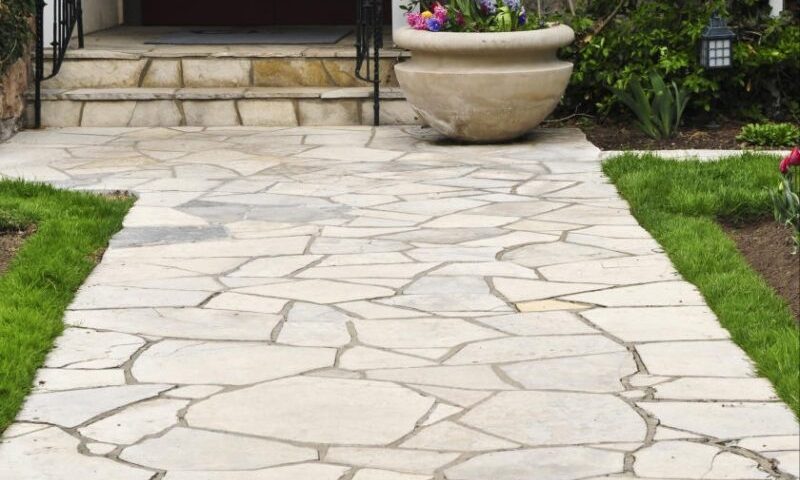
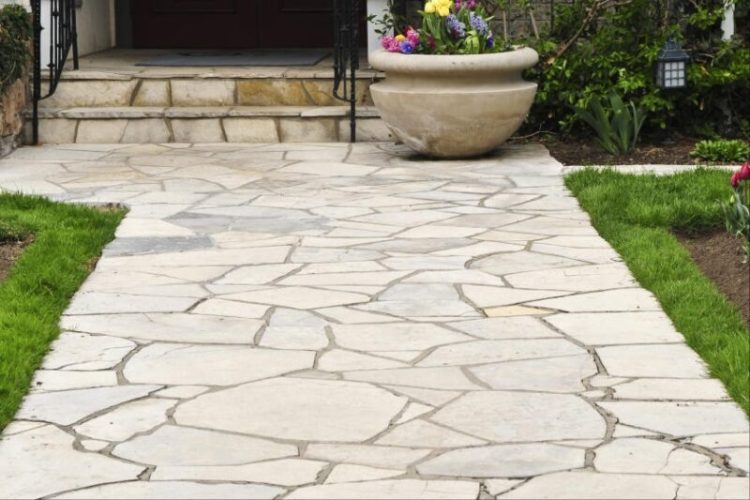
Flagstone landscape stones installed on compacted gravel base creating durable garden pathway

Best Landscape Stones for Garden Pathways: 7 Options That Actually Last

Garden pathways do more than connect one area to another. They guide visitors through your outdoor space, protect your lawn from foot traffic, and define your landscape’s character. But choosing the wrong landscape stones can leave you dealing with shifting surfaces, frequent repairs, and a pathway that looks worn within months.

The right stone choice balances durability, maintenance requirements, and aesthetics. After years of installing pathways throughout Ohio’s varying weather conditions, we’ve seen which materials truly stand the test of time and which ones disappoint homeowners within the first year.

What Makes Landscape Stones Last on Garden Pathways

Before diving into specific stone types, understanding what separates long-lasting pathways from short-lived ones helps you make a smarter choice.

Foot Traffic Resistance: Your pathway needs stones that won’t crack, chip, or shift under regular use. High-traffic areas demand harder materials.

Weather Durability: Ohio experiences freeze-thaw cycles, heavy rain, and hot summers. Stones that absorb too much water can crack when temperatures drop below freezing.

Base Stability: Even premium landscape stones fail without proper installation. The base layer determines whether your pathway stays level or develops dips and high spots within months.

Drainage Performance: Standing water destroys pathways. Materials that allow water to flow through or away from the surface last significantly longer than those that trap moisture.

Flagstone landscape stones installed on compacted gravel base creating durable garden pathway

1. Flagstone: The Traditional Pathway Champion

Flagstone remains the most popular choice for garden pathways, and for good reason. These flat, irregular slabs of sedimentary rock create natural-looking paths that complement almost any landscape style.

Durability Rating: When properly installed, flagstone pathways last 50+ years. The material itself resists weathering, though the joints between stones require occasional maintenance.

Best Uses: Winding garden paths, patio connections, and areas where you want an organic, flowing appearance. Flagstone works particularly well for pathways that curve through planted areas.

Maintenance Reality: Flagstone needs periodic resealing every 2-3 years in high-traffic zones to prevent staining. Weeds can grow between stones unless you use polymeric sand in the joints. Budget 1-2 hours per year for basic maintenance on a typical pathway.

Cost Considerations: Expect to pay $15-30 per square foot installed, depending on the stone variety. Pennsylvania bluestone costs more than Oklahoma flagstone, but both deliver excellent longevity.

Installation Notes: Flagstone requires at least 2 inches of compacted base material. Larger slabs (24-48 inches) provide better stability than smaller pieces, though they’re heavier to work with.

2. Decomposed Granite: The Permeable Path Solution

Decomposed granite (DG) offers a completely different approach. Instead of large stones, this material consists of fine granite particles that pack together to create a firm, natural-looking surface.

Durability Rating: Stabilized decomposed granite lasts 7-10 years before needing significant refresh work. The material itself doesn’t fail, but it requires periodic topping and recompaction.

Best Uses: Formal garden pathways, side yard access routes, and areas where you want a smooth, cohesive surface. DG works exceptionally well in drought-prone regions since it doesn’t hold moisture.

Maintenance Reality: DG needs raking every few weeks to maintain an even surface. Plan to add a fresh layer (about 1 inch) every 2-3 years. Edging is essential—without it, the material spreads into adjacent lawn areas. Some homeowners find DG tracks into the house on shoes, especially during the first few months after installation.

Cost Considerations: Material costs run $40-50 per cubic yard. Professional installation typically costs $4-6 per square foot. For DIY projects, the cost drops to roughly half.

Installation Notes: The key to long-lasting DG pathways is using stabilizers. Natural DG alone shifts and becomes muddy. Stabilized DG with binding agents creates a firmer surface similar to packed dirt but more durable.

3. River Rock: Natural Beauty With Practical Limitations

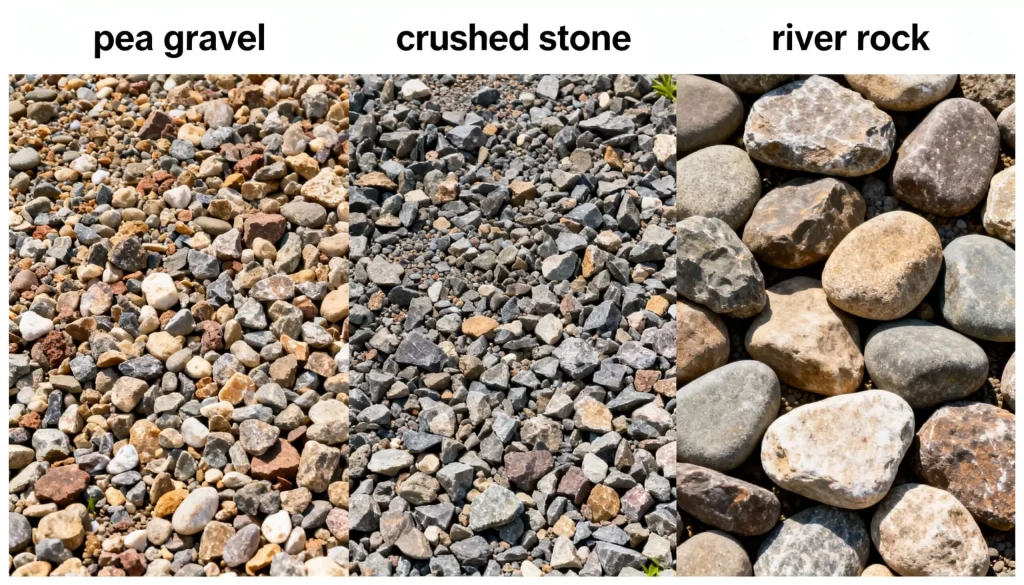
River rock’s smooth, rounded appearance brings a water-worn aesthetic to garden pathways. These stones come in sizes ranging from 1 to 6 inches and various earth tones.

Durability Rating: The stones themselves last indefinitely. However, river rock pathways present safety and maintenance challenges that affect their practical longevity.

Best Uses: Decorative accent areas, drainage features, and low-traffic garden sections. River rock works well as a border material for other stone types or filling gaps between larger stepping stones.

Maintenance Reality: Here’s where river rock becomes problematic for main pathways. The rounded stones shift underfoot, creating an uneven walking surface. Smaller rocks (under 1.5 inches) move around more, potentially creating ankle-twisting hazards when they roll onto adjacent stepping stones. Larger river rock (1.5-3 inches) stays put better but feels uncomfortable to walk on. Expect to rake and reset displaced stones monthly in active pathways.

Cost Considerations: River rock costs $50-150 per cubic yard depending on size and color. Installation costs less than flagstone since you’re not fitting individual pieces, typically $3-5 per square foot.

Installation Notes: Use landscape fabric beneath river rock to prevent soil from mixing with the stones. Consider pairing river rock with stepping stones rather than using it as the primary walking surface.

4. Crushed Stone: The Stable, Affordable Option

Crushed stone offers angular edges that lock together better than rounded materials. This category includes crushed granite, crushed limestone, and similar quarried materials.

Durability Rating: Crushed stone pathways last 10-15 years before needing significant replenishment. The angular pieces resist shifting better than rounded stones, creating a more stable walking surface.

Best Uses: Side yards, utility paths, and areas where appearance matters less than function. Crushed stone also works well as a base layer under other materials.

Maintenance Reality: The angular edges mean crushed stone stays in place better than pea gravel or river rock. However, you’ll still need to rake it periodically and add fresh stone every 3-4 years. The rough texture makes it less comfortable for bare feet compared to smoother options.

Cost Considerations: One of the most budget-friendly options at $1-3 per square foot installed. Material costs run $30-50 per cubic yard.

Installation Notes: A 3-4 inch depth provides the best results. The sharp edges can be hard on hands during DIY installation, so work gloves are essential. Crushed stone packs tighter than rounded gravel, creating a firmer pathway over time.

Side by side comparison of crushed stone, river rock, and pea gravel landscape stones for pathways

5. Bluestone: Premium Durability for High-Traffic Areas

Bluestone is a dense sandstone known for its characteristic blue-gray color. This premium material costs more than other options but delivers exceptional performance.

Durability Rating: Properly installed bluestone pathways routinely last 100+ years. Many century-old urban sidewalks still use the original bluestone, proving its remarkable longevity.

Best Uses: Main entrance walkways, high-traffic garden paths, and formal landscape designs. Bluestone’s consistent appearance suits both traditional and modern aesthetics.

Maintenance Reality: Bluestone requires periodic sealing (every 2-4 years) to prevent staining, especially in areas exposed to leaves or organic matter. The material is somewhat porous, so sealing also protects against salt damage in winter. Cleaning with water and mild soap every few weeks keeps it looking fresh.

Cost Considerations: The premium option at $20-40 per square foot installed. Pennsylvania bluestone typically costs more than stone from other regions. Factor in sealing costs ($1-2 per square foot) every few years.

Installation Notes: Bluestone is heavier and more challenging to work with than flagstone. Professional installation is recommended for large areas. The stone’s density makes it more resistant to cracking from freeze-thaw cycles than softer stones.

6. Slate: Texture With Character

Slate offers a refined appearance with natural ridges that provide excellent traction. This metamorphic rock comes in shades of gray, black, green, and even purple.

Durability Rating: Slate pathways last 30-50 years when properly maintained. The material is less porous than flagstone, requiring less frequent sealing.

Best Uses: Contemporary gardens, shaded pathways, and areas where slip resistance matters. Slate’s natural texture prevents slipping even when wet.

Maintenance Reality: Slate needs less maintenance than many alternatives. Sweeping debris regularly and occasional pressure washing keeps slate looking good. Resealing every 3-5 years protects the surface, though slate’s low porosity means it’s less susceptible to staining than bluestone or flagstone.

Cost Considerations: Mid-to-high range at $15-25 per square foot installed. Slate chips (smaller pieces) cost less but create a different aesthetic than larger slabs.

Installation Notes: Slate can be more brittle than sandstone options, so careful handling during installation prevents unnecessary breakage. The material’s smooth, dense surface means it stays cleaner than rougher stones.

7. Pea Gravel: Soft Underfoot, High Maintenance

Pea gravel consists of small, smooth stones (typically 1/4 to 3/8 inch) rounded by water erosion. The material creates a soft, crunchy pathway surface.

Durability Rating: The stones themselves last forever, but pea gravel pathways require constant maintenance to remain functional. Expect major reworking every 5-7 years.

Best Uses: Informal garden paths, play areas, and spaces where the sound of gravel underfoot adds to the ambiance. Pea gravel works well for infrequently used pathways through naturalized garden areas.

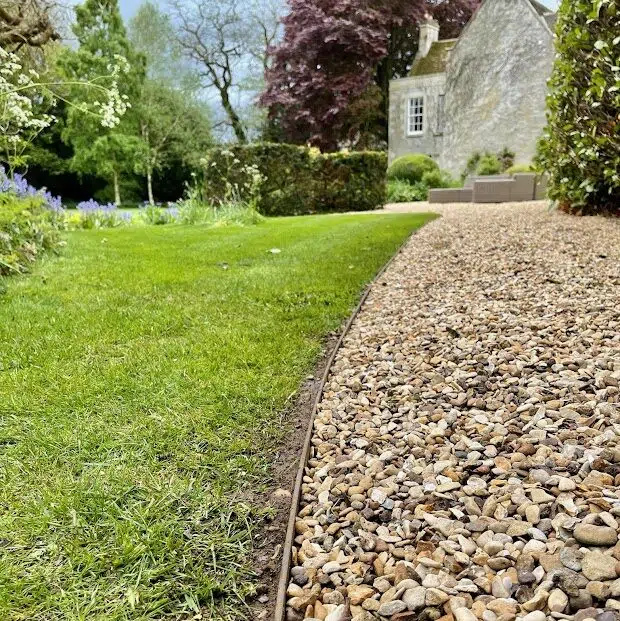
Maintenance Reality: This is where pea gravel demands the most attention. The small stones migrate easily, spreading into lawn areas and requiring strong edging. Raking is necessary weekly or biweekly to maintain an even surface. Weeds push through easily without landscape fabric and a thick layer of gravel. The material tracks into the house readily, especially on the bottom of shoes and pet paws.

Cost Considerations: One of the most affordable materials at $1-2 per square foot installed. However, the ongoing maintenance time adds to the true cost. Material costs run $30-60 per cubic yard.

Installation Notes: Pea gravel needs solid edging (metal, plastic, or wood) to contain the stones. Use landscape fabric beneath the gravel to suppress weeds. A 2-3 inch depth works best—too shallow and the stones migrate more, too deep and walking becomes difficult.

Pea gravel landscape stones pathway with metal edging showing proper installation technique

Making Your Selection: What Actually Matters

With seven solid options, how do you choose? These factors drive the decision more than marketing materials or Pinterest inspiration.

Your Actual Maintenance Time: Be honest about how much time you’ll spend maintaining your pathway. If you’re stretched thin, flagstone or slate makes more sense than pea gravel or decomposed granite. The lowest maintenance options (flagstone, bluestone, slate) cost more upfront but save hours of work annually.

Traffic Patterns: The front walkway to your door needs different materials than a meandering garden path you use twice a month. Bluestone and flagstone handle daily traffic effortlessly. Pea gravel and river rock work fine for occasional use but frustrate you quickly in high-traffic locations.

Climate Challenges: Ohio’s freeze-thaw cycles are brutal on certain materials. Porous stones that absorb water can crack when that water freezes. Bluestone, properly sealed flagstone, and slate handle winter better than softer sandstones.

Installation Reality: Some homeowners love DIY projects; others don’t want to touch a wheelbarrow. Pea gravel and crushed stone are reasonably DIY-friendly. Flagstone and bluestone require more skill and possibly equipment rental. Decomposed granite sits somewhere in the middle—easy to spread but tricky to get the compaction right.

Long-Term Cost: The cheapest option rarely costs least over a decade. A $500 pea gravel path that needs reworking every three years eventually costs more than a $1,200 flagstone path that lasts twenty years with minimal maintenance.

Installation Fundamentals That Extend Lifespan

Regardless of which landscape stones you choose, proper installation determines whether your pathway performs well or disappoints you.

Excavation Depth: Different materials require different depths. Gravel paths need about 4 inches of excavation, solid stone requires 5 inches, and paver-style installations need roughly 9 inches. Skimping on depth leads to settling and uneven surfaces within months.

Base Layer Quality: A compacted gravel base creates the foundation for stability. Use crusher run or similar material that compacts tightly. Loose materials under your pathway guarantee future problems.

Edge Restraints: Even solid stone pathways benefit from edging. Edging prevents materials from migrating and maintains clean lines between the pathway and adjacent landscaping.

Drainage Planning: Water is your pathway’s enemy. Grade the pathway slightly for drainage (typically 1-2% slope). Install the base layer to promote water flow away from the surface.

Regional Considerations for Ohio Landscapes

Ohio’s climate throws challenges at garden pathways that desert or southern climates don’t face. Winter salt, freeze-thaw cycles, and spring mud seasons all impact which landscape stones perform best.

Salt Resistance: If you’ll use ice melt products near the pathway, choose materials that resist salt damage. Bluestone is vulnerable to salt; sealed flagstone and slate handle it better. Gravel options (pea gravel, crushed stone) aren’t affected but they’re harder to clear of snow.

Freeze-Thaw Durability: Materials with low water absorption survive freezing temperatures better. Dense stones like bluestone and slate outperform softer, more porous options. Proper sealing protects vulnerable stones.

Mud Season Strategies: Spring thaws turn poorly drained pathways into muddy messes. Gravel-based options (crushed stone, pea gravel) drain well but can get messy. Solid stone on proper bases stays cleaner.

The Verdict: Which Stone Actually Lasts

After installing countless pathways and watching their performance over years, here’s what actually works:

For Primary Walkways: Flagstone or bluestone delivers the best combination of durability, appearance, and reasonable maintenance. Yes, you’ll pay more initially, but you’ll appreciate the decision every time you walk that path for the next several decades.

For Garden Paths: Flagstone or stabilized decomposed granite both work well. Choose flagstone if you want individual stones with plants between them. Choose DG if you prefer a cohesive, smooth surface.

For Budget Projects: Crushed stone provides the best value. It’s not the prettiest option, but it stays put better than pea gravel and costs significantly less than solid stone.

For Occasional-Use Paths: Pea gravel or river rock work fine when foot traffic is minimal. Just understand the maintenance commitment before installation.

Ready to Build a Pathway That Lasts?

Choosing the right landscape stones for your garden pathway means balancing upfront costs against long-term performance and maintenance requirements. The cheapest option rarely proves most economical over time, while the most expensive isn’t always necessary for every application.

The pathways that serve homeowners best for decades share common traits: proper base preparation, appropriate stone selection for the specific use, and realistic expectations about maintenance. Whether you choose classic flagstone, modern decomposed granite, or budget-friendly crushed stone, installation quality matters more than material cost.

Need expert guidance on choosing and installing landscape stones for your pathway? Check out our hardscaping services where our team brings over 25 years of experience creating durable, beautiful pathways throughout the Zanesville area, or call us at (740) 704-7962 to discuss your project. We’ll help you select materials that match your budget, aesthetic preferences, and maintenance expectations—ensuring your pathway looks great and performs reliably for years to come.

30 Aug 2025

Landscaping Challenges in Zanesville: Expert Solutions and Tips

Landscaping challenges are a common concern for homeowners in Zanesville, Ohio. The area’s unique climate, soil conditions, and topography often present hurdles for anyone trying to create a healthy, attractive outdoor space. From dealing with clay-heavy soil to managing slopes and erosion, understanding these landscaping challenges is the first step toward building a thriving garden or lawn. In this guide, we’ll explore the most common landscaping challenges in Zanesville and offer practical solutions and tips to help you overcome them effectively.

Understanding Zanesville’s Climate and Its Impact on Landscaping Challenges

One of the primary landscaping challenges in Zanesville is the region’s variable climate. Summers are often hot and humid, while winters can be cold with occasional snowfall. These seasonal extremes can stress lawns, flowers, shrubs, and trees. Plants that thrive during the warm, humid months may struggle during the winter, while frost-sensitive species may fail to survive.

Practical Strategies for Zanesville Landscapes:

  • Select plants suited to Zanesville’s climate. Native species are ideal because they are naturally adapted to the local weather patterns and soil conditions.
  • Consider planting a mix of perennials and annuals to maintain color and vitality throughout the year.
  • Use mulch around plants to protect roots from temperature fluctuations and retain soil moisture during dry spells.

Soil Quality: One of the Most Common Landscaping Challenges

Soil type is a critical factor in landscaping success, and Zanesville’s soil can vary dramatically from one property to another. Some areas have heavy clay soil, which retains water and can lead to poor drainage. Other areas may have sandy soil that drains too quickly, leaving plants undernourished.

Effective Soil Management Strategies:

  • Conduct a soil test to determine your soil’s pH, nutrient levels, and composition.
  • Amend clay soil with organic matter like compost or peat moss to improve drainage.
  • Improve sandy soil with organic matter or garden soil to increase water retention.
  • Apply slow-release fertilizers appropriate for your plants to promote healthy growth without overfeeding.

Managing Slopes and Erosion: A Key Landscaping Challenge in Hilly Areas

Many Zanesville properties are not perfectly flat, and hilly terrain can lead to significant landscaping challenges. Erosion is common on slopes, especially during heavy rain, which can wash away topsoil and nutrients. Left unmanaged, erosion can damage plants, reduce soil fertility, and even threaten property structures.

Preventing Erosion and Managing Slopes:

  • Plant ground covers, ornamental grasses, or shrubs that have strong root systems to stabilize slopes.
  • Consider building retaining walls or terraces to control soil movement and create usable garden areas.
  • Use mulch or landscape fabric to protect exposed soil and reduce erosion risks.
  • Install French drains or other drainage solutions to redirect excess water away from vulnerable areas.

Choosing the Right Plants to Overcome Landscaping Challenges

Plant selection is essential for tackling landscaping challenges in Zanesville. Using species that thrive in your soil type, tolerate your climate, and require minimal maintenance will reduce the time and effort needed to maintain your landscape.

Plant Selection Strategies:

  • Focus on native plants such as Ohio coneflower, black-eyed susan, and prairie grasses, which are naturally resilient.
  • Group plants with similar water and sunlight requirements to simplify care.
  • Avoid invasive species that can overtake your garden and create additional maintenance challenges.
  • Mix perennials and annuals for both longevity and seasonal color.

Irrigation and Water Management: Addressing One of the Toughest Landscaping Challenges

Proper watering is another major challenge. Both under- and over-watering can stress plants and promote disease. Zanesville’s hot summers require efficient irrigation to keep lawns and gardens healthy, while cold winters demand measures to prevent damage from freezing water.

Smart Watering Techniques:

  • Install drip irrigation systems to deliver water directly to the plant roots, reducing waste and promoting deep root growth.
  • Use soaker hoses for garden beds to evenly distribute water.
  • Mulch around plants to conserve moisture and maintain consistent soil temperature.
  • Adjust watering schedules seasonally to match rainfall and temperature changes.

Lawn Care: A Frequent Landscaping Challenge for Zanesville Homeowners

Lawns often face multiple landscaping challenges, including soil quality, pests, and disease. Maintaining a healthy, green lawn in Zanesville requires attention to seasonal conditions and proper lawn care techniques.

Maintaining a Healthy Lawn:

  • Aerate lawns in spring or fall to improve root growth and nutrient absorption.
  • Overseed bare or patchy areas to maintain uniform coverage.
  • Fertilize appropriately, considering soil test results to prevent over- or under-fertilization.
  • Control weeds and pests early to prevent infestations from spreading.

Hardscaping Considerations: Tackling Landscaping Challenges with Structures

Hardscaping elements like patios, walkways, and retaining walls can add both beauty and functionality to your landscape. However, improper planning or installation can create additional challenges, including water pooling, erosion, or maintenance issues.

Optimizing Hardscape Features:

  • Plan hardscape features with proper grading and drainage in mind.
  • Choose durable materials suitable for Zanesville’s climate.
  • Ensure retaining walls and raised beds are reinforced to prevent shifting or collapse.
  • Incorporate hardscaping that complements your garden layout and does not interfere with plant growth.

Seasonal Landscaping Challenges and How to Overcome Them

Each season brings its own set of landscaping challenges. Zanesville’s weather extremes can cause plant stress, soil issues, and lawn damage.

Seasonal Care Strategies:

  • Prepare garden beds by clearing debris and adding compost.
  • Prune dead branches and remove winter mulch to allow new growth.
  • Apply pre-emergent weed control before seeds germinate.

Summer Tips:

  • Water deeply and less frequently to encourage strong root growth.
  • Monitor for pests and fungal diseases, especially during humid months.
  • Apply mulch to reduce soil temperature and retain moisture.

Fall Tips:

  • Plant bulbs and perennials for spring blooms.
  • Fertilize lawns to prepare for winter dormancy.
  • Remove fallen leaves to prevent mold or fungal growth.

Winter Tips:

  • Protect vulnerable plants with burlap or frost blankets.
  • Reduce watering as needed to prevent root rot.
  • Plan next year’s garden layout to address persistent landscaping challenges.

Local Expertise: How Professionals Can Help with Landscaping Challenges

While DIY solutions are valuable, consulting local landscaping professionals can be one of the most effective ways to overcome landscaping challenges in Zanesville. Experts can provide tailored advice based on property conditions, soil type, and climate considerations. They can also install irrigation systems, retaining walls, and other features that are difficult to execute without experience.

Benefits of Professional Assistance:

  • Personalized plant and soil recommendations for your property
  • Efficient installation of irrigation and drainage systems
  • Advice on seasonal care and pest management
  • Long-term planning for sustainable, low-maintenance landscapes

Conclusion

Landscaping challenges in Zanesville are real, but they are not insurmountable. By understanding your property’s unique climate, soil, and topography, choosing the right plants, managing water effectively, and seeking professional guidance when needed, you can create a thriving outdoor space that enhances your home’s beauty and value.

Ready to tackle your landscaping challenges? Contact CP’s Landscaping & Outdoor Supply today for expert guidance and solutions tailored to your property. Or call us directly at (740) 704-7962 for immediate assistance and advice.